Heat pumps
Heat pump installation in Milford
Most Milford homes already heat with a heat pump. Whether you are adding one or replacing an old unit, the electrical work and the position of the outdoor unit decide how safely it runs and how well it copes with living near the sea.

How Milford heats its homes
At the 2023 Census, Stats NZ counted a heat pump in use in about two in three occupied homes across Milford's two census areas, Milford West and Milford Central, in line with the country as a whole. More than four in ten homes also used electric heaters, and in Milford Central almost a third used a fixed gas heater, more than three times the national rate. Homes can use more than one kind of heating, so those figures overlap, but the picture is clear: most Milford households already know what a heat pump does, and plenty still have rooms heated by a plug-in heater.
Heat pumps move heat in from the outside air using electricity, which is why EECA describes them as an efficient way to heat a home. That efficiency depends on the installation: the right size of unit, the right place for each part, and an electrical supply that suits it. The electrical side is where we come in.
An outdoor unit that has to live by the sea
Much of Milford is close enough to the sea for salt to matter. BRANZ puts land within 500 metres of the coast, and within 100 metres of tidal estuaries such as the Wairau, in its highest exposure zone for wind-driven salt, and a heat pump's outdoor unit is a metal cabinet wrapped around finned coils that sits out in it all year. The EECA good practice guide to heat pump installation says coastal installations need corrosion protection for both the outdoor cabinet and the coils, and that outdoor units should be protected from sea spray, sheltered from strong wind, mounted on corrosion-resistant fixings, typically stainless steel, and given at least 600 millimetres of clearance for servicing.
In practice that means asking about a coastal-protected model before you buy, and choosing a spot on the lee side of the house rather than the wall that faces the beach. It also rules out some convenient places: the guide says not to put an outdoor unit under the house or a deck, where it cannot breathe.
The electrical work in a heat pump installation
Apartments and townhouses
Milford has a good number of apartment buildings and townhouses, and they bring rules of their own. EECA's guide warns against putting an outdoor unit on a balcony or deck more than a metre above the ground below if it would help a child climb over the balustrade, and any screen around the unit must not give a foothold. Before choosing a spot on an exterior wall, a roof or a shared courtyard, check the building's rules with the body corporate, and allow for the cable route from your own switchboard. If the board is already full, a switchboard upgrade may need to come first.
Heat pump questions
Can a heat pump run off an existing power socket circuit?
Sometimes. EECA's guide allows a heat pump to be connected to an existing circuit if it has enough spare capacity, and calls for a dedicated circuit in new buildings. Which one your house needs depends on the unit's rating and what else is on the circuit, and we check that before the unit goes on the wall.
Why does Auckland's mild climate matter when sizing a heat pump?
Heat pumps are sized for the coldest outdoor temperature they are expected to work against. EECA's guide gives an external design temperature of 1 degree for the Auckland Council area, against minus 4 for Christchurch and Dunedin, so a unit sized for a Milford living room is not the one you would choose for the same room in Canterbury.
What does coastal protection mean for the outdoor unit?
A protective treatment on the outdoor cabinet and the heat exchanger coils that slows corrosion from salt. EECA's guide says coastal installations need it for both, so ask whether the model you are buying has it, and keep the unit clear of leaves and debris.
We still use plug-in heaters in the bedrooms. Can a heat pump replace them?
Often, yes. The questions are whether the room suits a wall unit, where the outdoor unit can go, and whether the switchboard has room for another circuit. We look at all three on one visit.
Will I get a certificate for the electrical work?
Yes. The electrical connection of a heat pump is prescribed electrical work, it is tested on completion, and you receive a Certificate of Compliance. Keep it with the unit's manuals and warranty.
Other electrical services in Milford

Emergency electrician
Call-outs 24 hours a day, 7 days a week for power failures, burning smells and circuits that will not stay on.Read more
Electrical fault finding
Tracing tripping RCDs, dead sockets, flickering lights and wiring that has been wet, then repairing the cause.Read more
Switchboard upgrades
Old fuse boards replaced with circuit breakers and RCD protection, with room for the circuits a modern home needs.Read more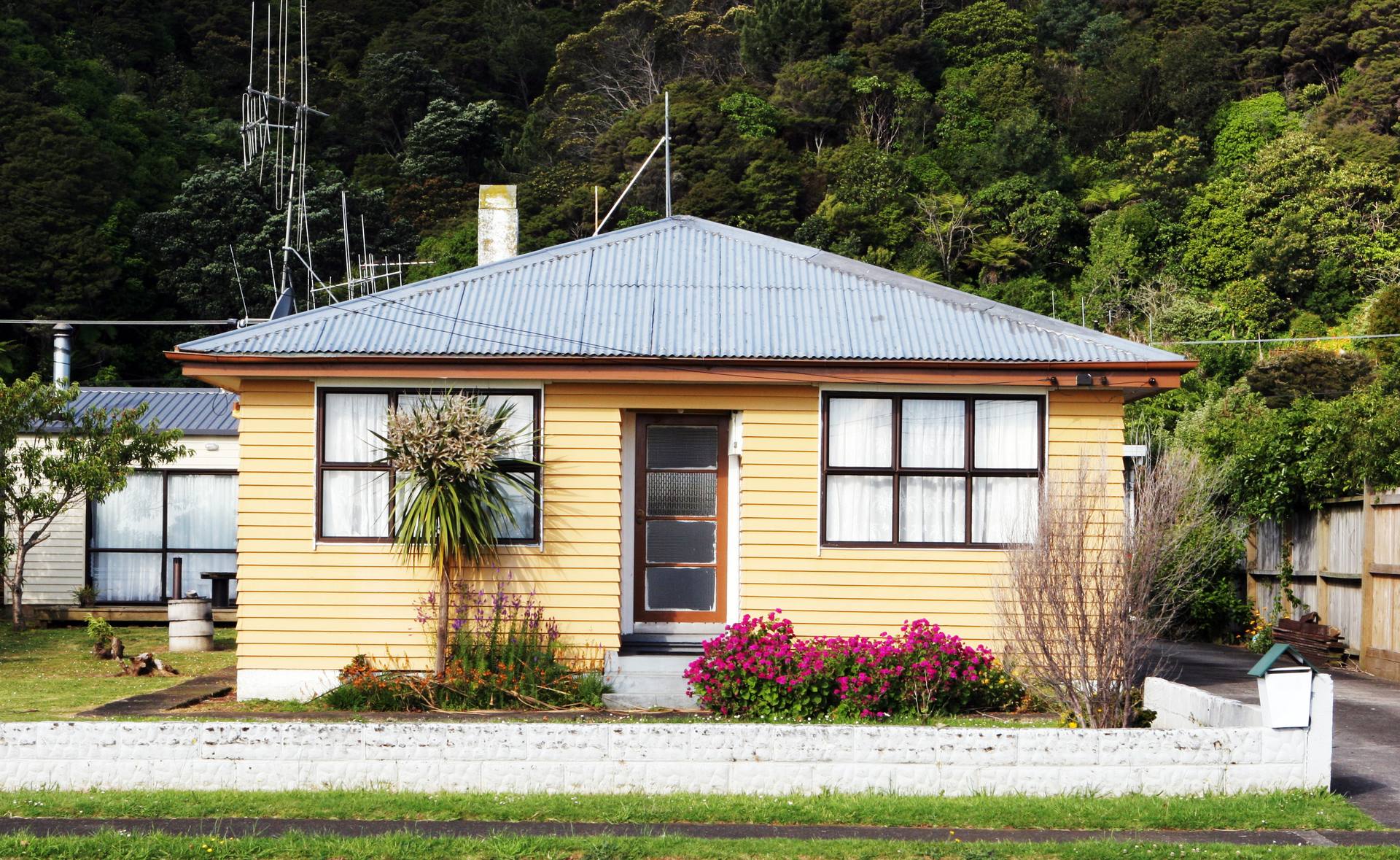
House rewiring
New cable, switches and sockets for older houses whose wiring has reached the end of its life.Read more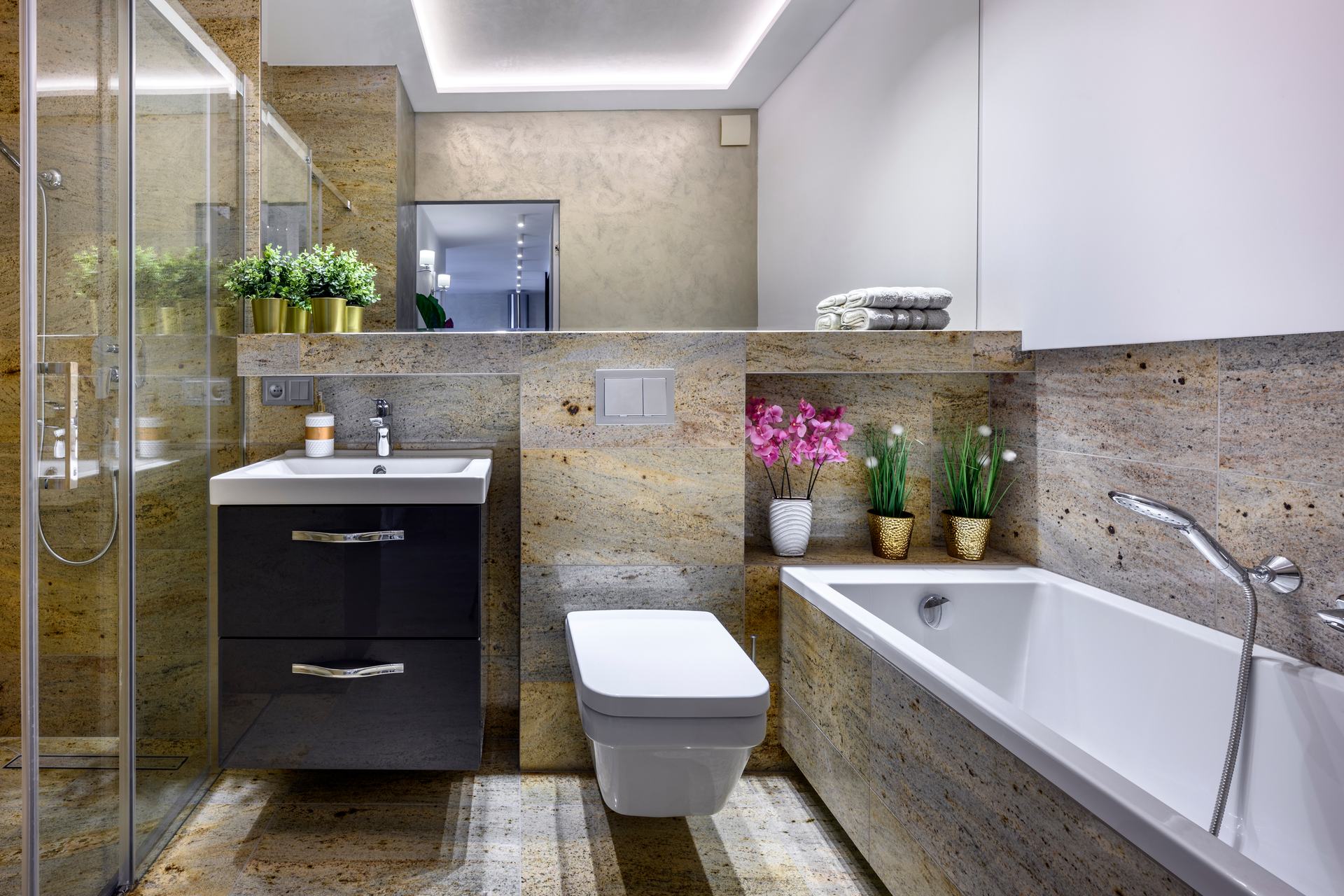
LED and outdoor lighting
LED downlights that can sit under ceiling insulation, and garden, deck and path lighting built for the coast.Read more
Commercial electrical
Shops, cafes, offices and the shared areas of apartment buildings, worked around customers and residents.Read moreEnquiries
Contact us
Call 021 156 4005 - our electricians are available for call-outs 24 hours a day, 7 days a week - or leave a message below.
021 156 4005- Auckland
- Call-outs 24 hours a day, 7 days a week