Rewiring
House rewiring in Milford
Rewiring replaces the cables inside the walls and ceilings, and usually the switches, sockets and switchboard with them. For many older Milford houses it is the change that lets every other electrical improvement happen safely.
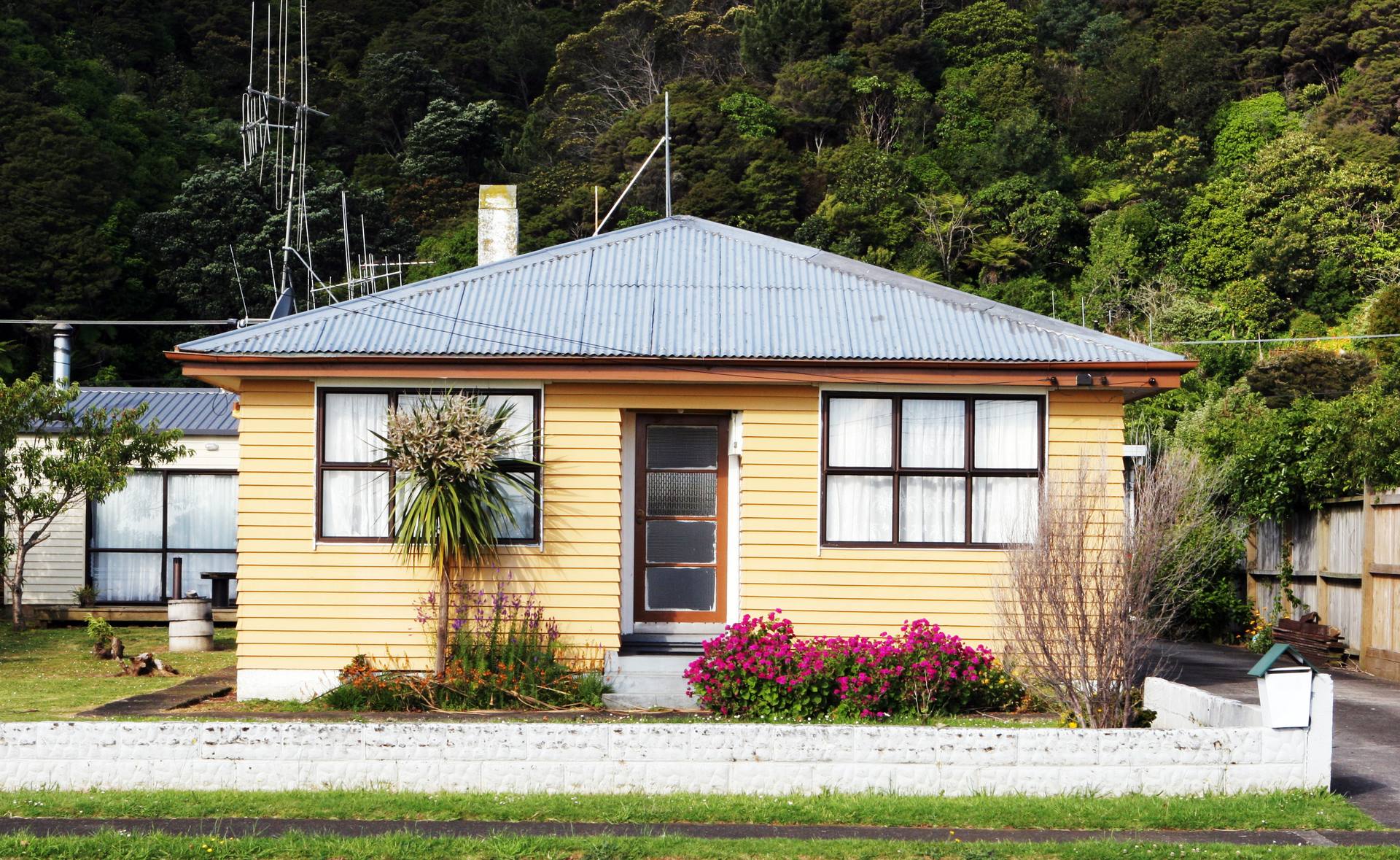
What is in the walls of a Milford house
Milford's houses carry the suburb's history in their cables. The steam tram from Bayswater, running from 1910, turned Milford Beach into a summer destination, and holidaymakers built baches here. North Shore baches were usually modest, built from cheap or recycled materials, and many were later improved into permanent homes, which can mean a house whose oldest rooms were wired for a few lights and a jug. There are 1920s bungalows, the group-built homes of the 1960s and 1970s that followed the Harbour Bridge, and, from the 1970s, older houses moved to the North Shore from established parts of Auckland, so a house can be older than its street.
Most of that wiring has been altered more than once, and the age of a house is only a clue. What matters is the cable itself. Level, BRANZ's guide to building and renovating, advises establishing the age and condition of the wiring before working on an existing building. It notes that some houses still have fuses on the main board and rubber-sheathed wiring in metal conduit, which is likely to be unsafe and should be replaced, and that early tough plastic sheathed (TPS) cable may also be in poor condition as its sheathing and insulation deteriorate.
Signs a rewire is worth considering
Rubber or cloth-covered cable
Visible in the roof space or under the floor, often brittle and cracking where it has been disturbed.
Fuses on the main board
Often a sign the wiring behind them is just as old. A switchboard upgrade on its own may not be enough.
Brittle or warm fittings
Switches and sockets that crack, wobble, discolour or feel warm in use.
Too few sockets
Multi-boxes plugged into multi-boxes because each room has one double socket.
Walls about to open
A kitchen, bathroom or extension where the linings come off anyway. It is the cheapest time to rewire.
Wiring that has been wet
Cable and fittings that sat in flood water in 2023 or since should be tested, and our fault finding service is where that starts.
How a rewire runs
Survey the house
We look in the roof space and under the floor, open the switchboard, test the existing circuits and agree which fittings, if any, are worth keeping.
Plan the circuits
Where the sockets and lights should go now, which appliances need circuits of their own, and whether the switchboard is replaced at the same time.
Run the new cable
New cable goes through the roof space and under the floor wherever it can, which keeps holes in finished walls to a minimum. A bungalow on piles is usually easier to reach than a house on a concrete slab.
Test and certify
Every circuit is tested before it goes live, completed work comes with the certification that applies, and high-risk mains work, such as connecting the mains to a new switchboard, is inspected by a licensed electrical inspector we arrange.
A word about old lighting circuits
Many older houses have what BRANZ calls three-plate wiring, where the supply cable is connected at the light fitting and looped on to the next one. In that arrangement the cable at the fitting stays live even when the light is switched off. It is one of the reasons a "simple" light fitting swap in an older Milford house is better left to an electrician, and one of the things we check when we survey a house for rewiring or for new LED lighting.
Rewiring questions
Do we have to move out while the house is rewired?
Not usually. An occupied house can be rewired a section at a time, with the power off in parts of the house while the work is done. The plan is agreed with you before we start, so you know which rooms are affected and when the power will be off.
Can you rewire only part of the house?
Yes. It often makes sense to rewire the oldest part first, such as the original bach or bungalow rooms of a house that was extended later, as long as the newer wiring tests well and the switchboard can serve both.
How do I tell rubber cable from plastic cable?
Please do not go looking with the power on. Old rubber-insulated cable often looks dull and feels hard or crumbly where it has perished, while plastic-sheathed cable is smoother and more flexible, but appearances can mislead. The safe way to find out is a survey, where we test the circuits as well as look at them.
Will I get a certificate when the rewire is finished?
Yes. Completed prescribed electrical work is tested and comes with the certification that applies, and high-risk work, such as connecting the mains to a new switchboard, is inspected. Keep the paperwork with your house records; it describes what is behind your walls.
Should we rewire before or after a renovation?
Before the new linings go on. Cable that runs through an open wall is far easier to install and to test than cable fished through a finished one, so bring us in when the builder is planning the job rather than when the plasterer is booked.
Other electrical services in Milford
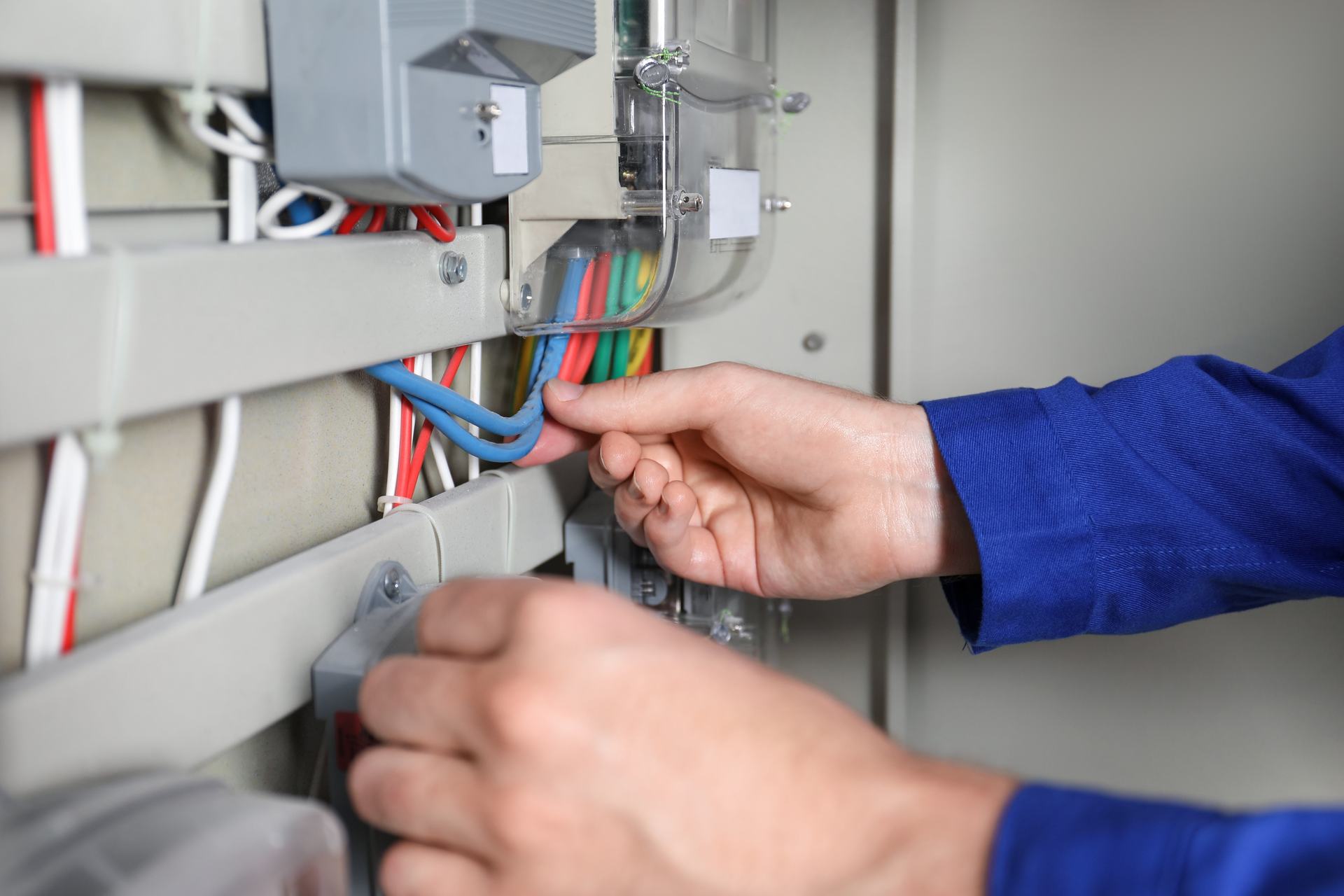
Emergency electrician
Call-outs 24 hours a day, 7 days a week for power failures, burning smells and circuits that will not stay on.Read more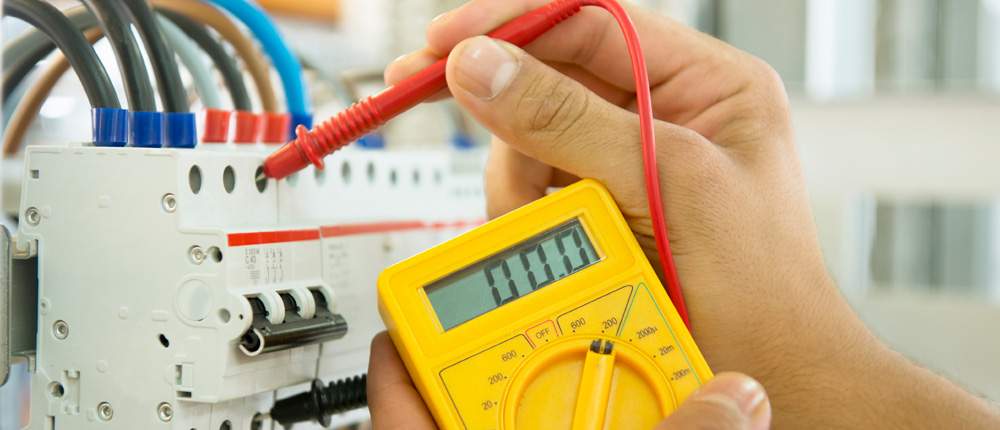
Electrical fault finding
Tracing tripping RCDs, dead sockets, flickering lights and wiring that has been wet, then repairing the cause.Read more
Switchboard upgrades
Old fuse boards replaced with circuit breakers and RCD protection, with room for the circuits a modern home needs.Read more
Heat pump installation
The circuit, isolating switch and outdoor unit position for a heat pump that has to live with salt air.Read more
LED and outdoor lighting
LED downlights that can sit under ceiling insulation, and garden, deck and path lighting built for the coast.Read more
Commercial electrical
Shops, cafes, offices and the shared areas of apartment buildings, worked around customers and residents.Read moreEnquiries
Contact us
Call 021 156 4005 - our electricians are available for call-outs 24 hours a day, 7 days a week - or leave a message below.
021 156 4005- Auckland
- Call-outs 24 hours a day, 7 days a week