Switchboards
Switchboard upgrades for Milford homes
Plenty of Milford houses still run on the switchboard they were built with. An upgrade replaces old fuses with circuit breakers and RCD protection, and gives the house room for the heat pumps, cooktops and lighting it runs today.

The boards behind Milford's houses
Milford was built in waves, and the switchboard often tells you which wave a house belongs to. There are bungalows from the 1920s, baches that holidaymakers put up before the Harbour Bridge and later turned into permanent homes, and the houses that group builders such as Reidbuilt and Sunline Homes built in the Milford area through the 1960s and 1970s, once the bridge had opened in 1959. Each generation of house was wired to the standards and the appetite for electricity of its day.
A board that has served one of those houses for fifty years or more may still have rewireable ceramic fuses, no RCD protection at all, and no spare space for another circuit. It may also have been added to by several owners, with a sub-board here and a spare fuse pressed into service there. None of that means it will fail tomorrow, but it does mean it was never designed for a house with two heat pumps, an induction cooktop and a home office on the wish list.
Signs your switchboard is due for an upgrade
Inspection, certification and paperwork
A switchboard upgrade is not just a swap of parts in a box. The Electrical Workers Registration Board explains that installing a higher capacity board to cope with increased use is an alteration classed as high-risk work, and high-risk work has to be inspected. Moving a board can fall into the same category when it means extending, jointing or rerouting the mains.
Our registered electricians do the work and test it, provide the certification that applies, and arrange the licensed electrical inspector the job needs, so you do not have to find one yourself. Keep the certificates and the inspection record together: they describe the work done on the most important part of your installation, and an insurer or a buyer may ask to see them.
How a switchboard upgrade runs
Look at the whole installation
The existing board, the mains coming in, the earth, and every circuit on the property, plus what you plan to add over the next few years.
Plan the new board
Circuit breakers sized to each circuit, RCDs covering the lighting and power circuits, dedicated circuits where an appliance needs one, and spare space for later.
Changeover
The power is off while the old board comes out and the new one goes in, so plan around the fridge, freezers and anyone who depends on powered medical equipment.
Test, certify and inspect
Every circuit is tested before it is handed back, the certification is completed, and the licensed inspector checks the work that requires inspection.
Switchboard questions
Do I need a new switchboard to add a heat pump?
Not always. A heat pump can sometimes run from an existing circuit with enough spare capacity, but many need a dedicated circuit back to the board, and an old board may have no room for one. We check before you buy the unit, so the electrical side is not a surprise.
What does an RCD actually do?
It watches the current going out on a circuit and coming back, and if some is missing, because it is flowing through a faulty appliance or a person, it switches off almost instantly. Circuit breakers protect the cable from overload; RCDs protect people.
My board has old fuses but nothing has ever gone wrong. Is it unsafe?
Not automatically. The questions are whether the fuses are the right ratings, whether there is any RCD protection, and what condition the wiring behind the board is in. We will tell you honestly whether an upgrade is needed now or can be planned.
Will the switchboard need to move?
Usually it stays where it is. It may be worth moving if it is hidden in a cupboard or awkward to reach, because BRANZ guidance favours a board that is easy to find and reach in an emergency. Moving it can make the job high-risk work that needs inspection.
Can you upgrade the board in an apartment?
Yes, the board inside your own apartment. If the main switch, meters or supply cables are in a shared meter room, that part of the work needs the building manager's or body corporate's agreement, and our commercial electrical page covers how we work in shared buildings.
Other electrical services in Milford
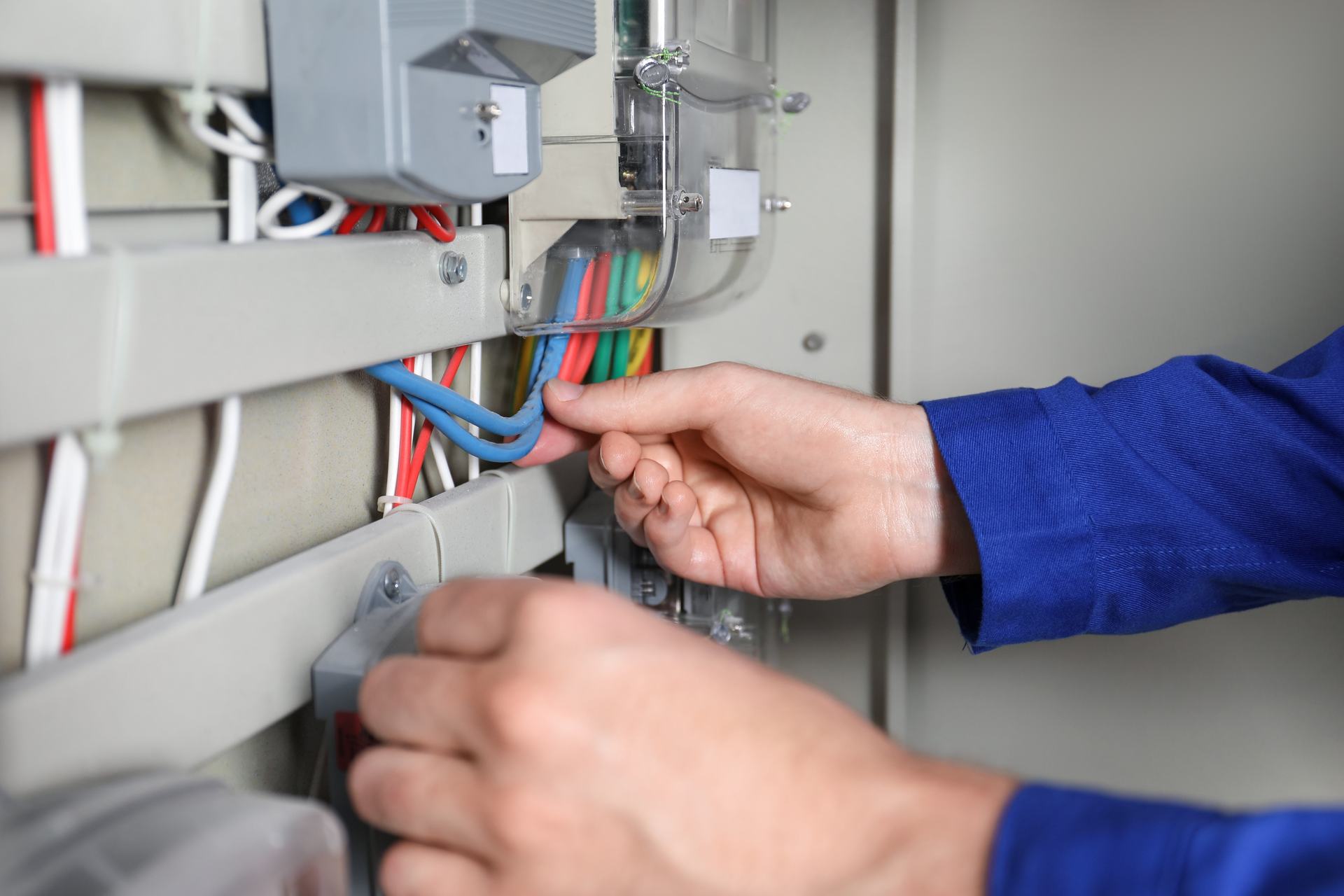
Emergency electrician
Call-outs 24 hours a day, 7 days a week for power failures, burning smells and circuits that will not stay on.Read more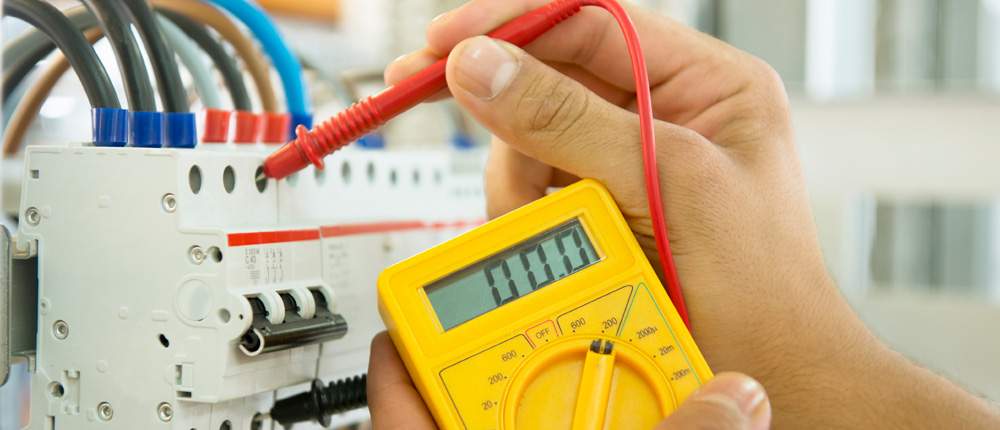
Electrical fault finding
Tracing tripping RCDs, dead sockets, flickering lights and wiring that has been wet, then repairing the cause.Read more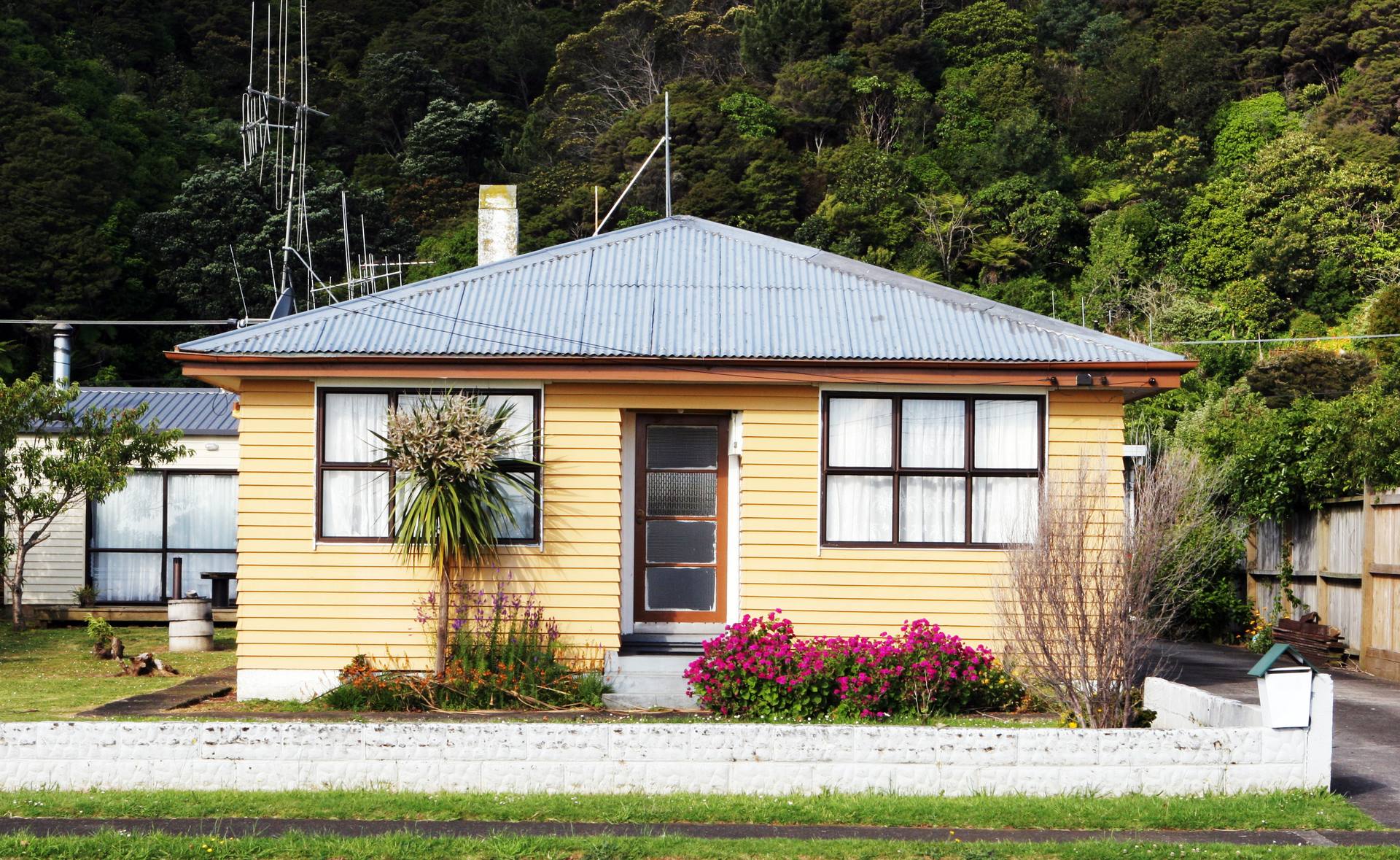
House rewiring
New cable, switches and sockets for older houses whose wiring has reached the end of its life.Read more
Heat pump installation
The circuit, isolating switch and outdoor unit position for a heat pump that has to live with salt air.Read more
LED and outdoor lighting
LED downlights that can sit under ceiling insulation, and garden, deck and path lighting built for the coast.Read more
Commercial electrical
Shops, cafes, offices and the shared areas of apartment buildings, worked around customers and residents.Read moreEnquiries
Contact us
Call 021 156 4005 - our electricians are available for call-outs 24 hours a day, 7 days a week - or leave a message below.
021 156 4005- Auckland
- Call-outs 24 hours a day, 7 days a week