Lighting
LED and outdoor lighting in Milford
Lighting changes how a home feels more cheaply than almost anything else. Inside, that usually means replacing old halogen downlights with LEDs. Outside, it means fittings and connections that can cope with Milford's salt air.
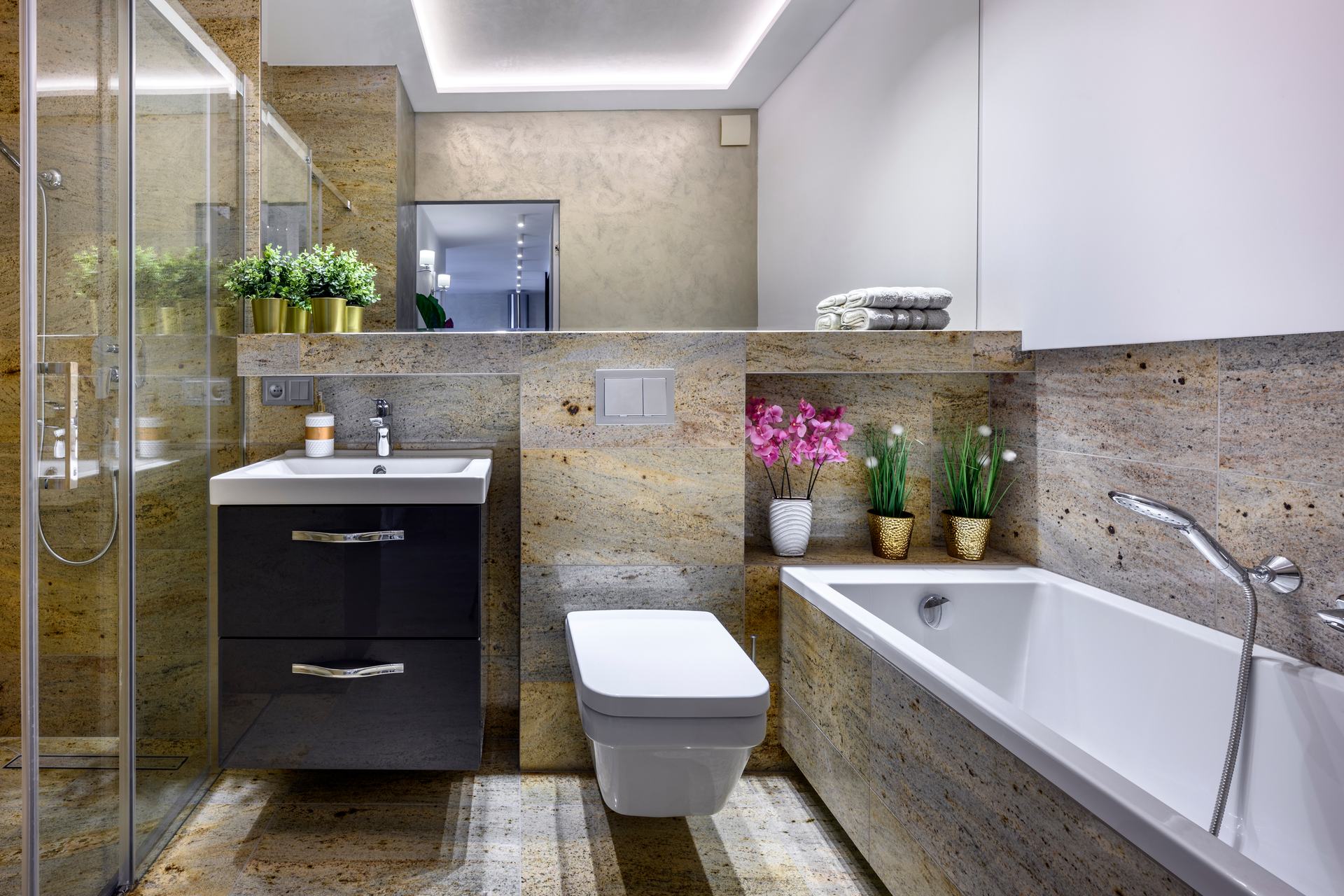
Old downlights and the heat they let out
Halogen downlights were once the fashionable choice for kitchens and lounges, a step forward in looks and a step back in warmth. The government's Smarter Homes guide to downlights and recessed lights explains why: each older downlight is a hole into the roof space, and safety rules require a 100 millimetre gap between older downlights and the ceiling insulation, so every fitting leaves a ring of bare ceiling for warm air to escape through. The more of them a room has, the less the insulation does.
The guide's advice is to replace older halogen or incandescent downlights with LED downlights rated IC or IC-F, which use much less electricity and can have insulation laid up to and over them, provided the insulation can cope with temperatures up to 90 degrees. We fit rated LED downlights, check the transformer or driver arrangement left behind by the old ones, and can tell you which rating your ceiling needs. If you have had insulation topped up and the installer had to leave gaps round the old lights, that is the moment to change them.
Indoor lighting we install
Garden, deck and path lighting by the sea
Milford's best outdoor spaces face the water. The streets that run down to the beach and to Lake Pupuke, such as Ocean View, Muritai, Tiri and Audrey Roads, were where architects built for the view, and decks, paths and gardens on that side of a house are where people want light at night. They are also where the salt is: BRANZ places land within 500 metres of the coast, and within 100 metres of tidal estuaries, in its highest exposure zone for wind-driven salt.
So we choose outdoor fittings for corrosion resistance as well as looks, seal the connections against weather, and keep junction boxes out of the places water collects. New lighting circuits are RCD protected at the board, and where garden lighting is a big part of the plan it can go on its own circuit, so a wet fitting in the garden does not leave the house in the dark. Low-voltage garden lighting, run from a transformer, is an option for paths and planting, while a deck or carport may suit 230-volt fittings. We will tell you which suits each part of the garden, and how to look after it so it lasts.
From plan to lights on
Walk through the space
Inside or out, at the time of day the lights will be used, looking at what each area is for.
Plan circuits and switching
Where each light goes, what switches it, and whether a circuit or switchboard space needs to be added.
Install and test
Fittings mounted, cables run and connections made, then every circuit tested before it goes live.
Certificate where it applies
New fixed wiring comes with a Certificate of Compliance; a like-for-like replacement of a fitting is maintenance and does not need one.
Lighting questions
Can the insulation go over my existing downlights?
Only if they are rated for it. Older downlights need a 100 millimetre gap to the insulation. IC and IC-F rated LED downlights can have suitable insulation laid up to and over them, which is the main reason to change them.
Why do my new LED lights flicker?
Most often the dimmer was made for halogen lamps and does not suit the LED driver. Sometimes it is the lamps themselves, and occasionally a loose connection, which is why we test rather than just swap the dimmer.
Will garden lights near the beach rust?
Poorly chosen ones will. Fittings with corrosion-resistant bodies and fixings, sealed connections and an occasional check of the seals last far longer in salt air. A fitting that has started to corrode at the cable entry is worth replacing before water gets in.
Do outdoor lights need their own circuit?
Not always, but it helps. A separate, RCD-protected circuit for the garden means a fault outside trips only the garden, and makes the fault easier to find.
Can I change a light fitting myself?
The law allows homeowners to do a limited amount of electrical work on their own home, but WorkSafe's advice is that unless you are properly skilled, it is much better to use an electrician. In older Milford houses the cable at a light fitting can stay live even with the switch off, which our house rewiring page explains.
Other electrical services in Milford
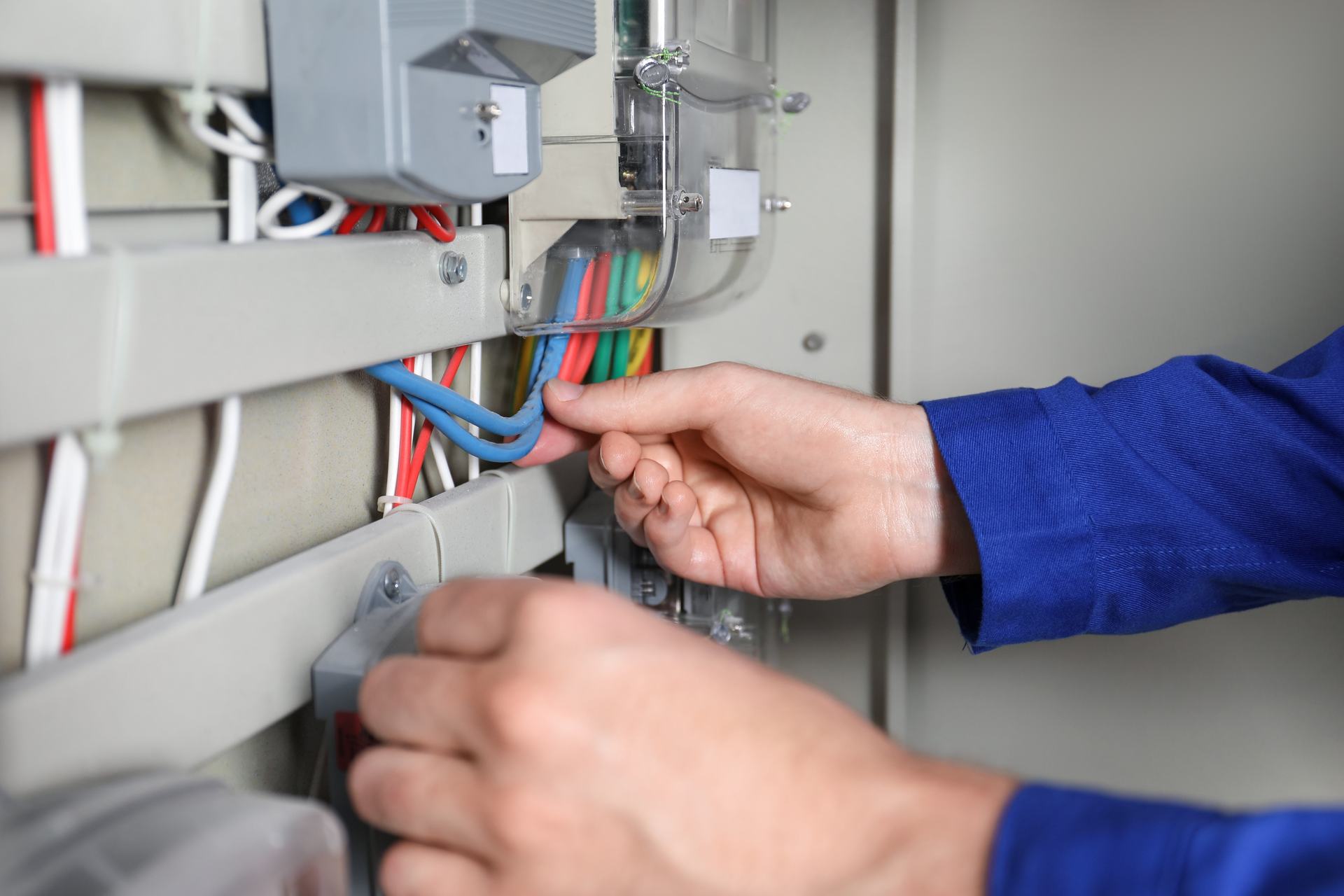
Emergency electrician
Call-outs 24 hours a day, 7 days a week for power failures, burning smells and circuits that will not stay on.Read more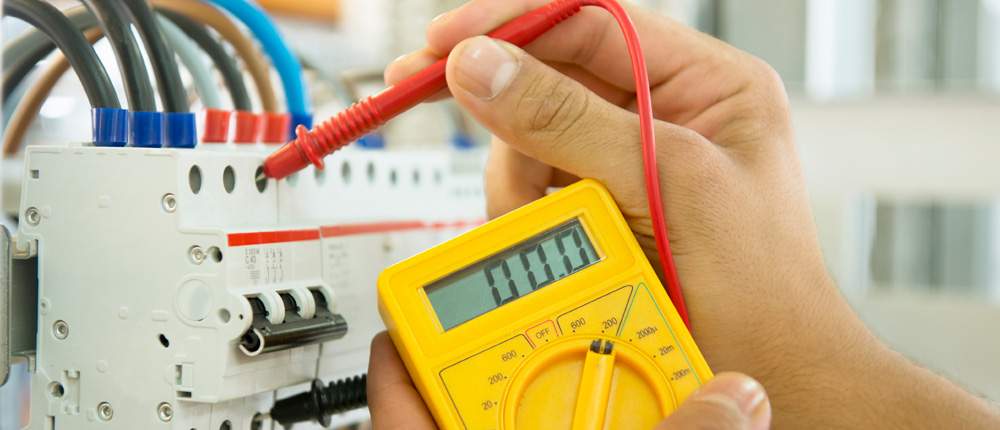
Electrical fault finding
Tracing tripping RCDs, dead sockets, flickering lights and wiring that has been wet, then repairing the cause.Read more
Switchboard upgrades
Old fuse boards replaced with circuit breakers and RCD protection, with room for the circuits a modern home needs.Read more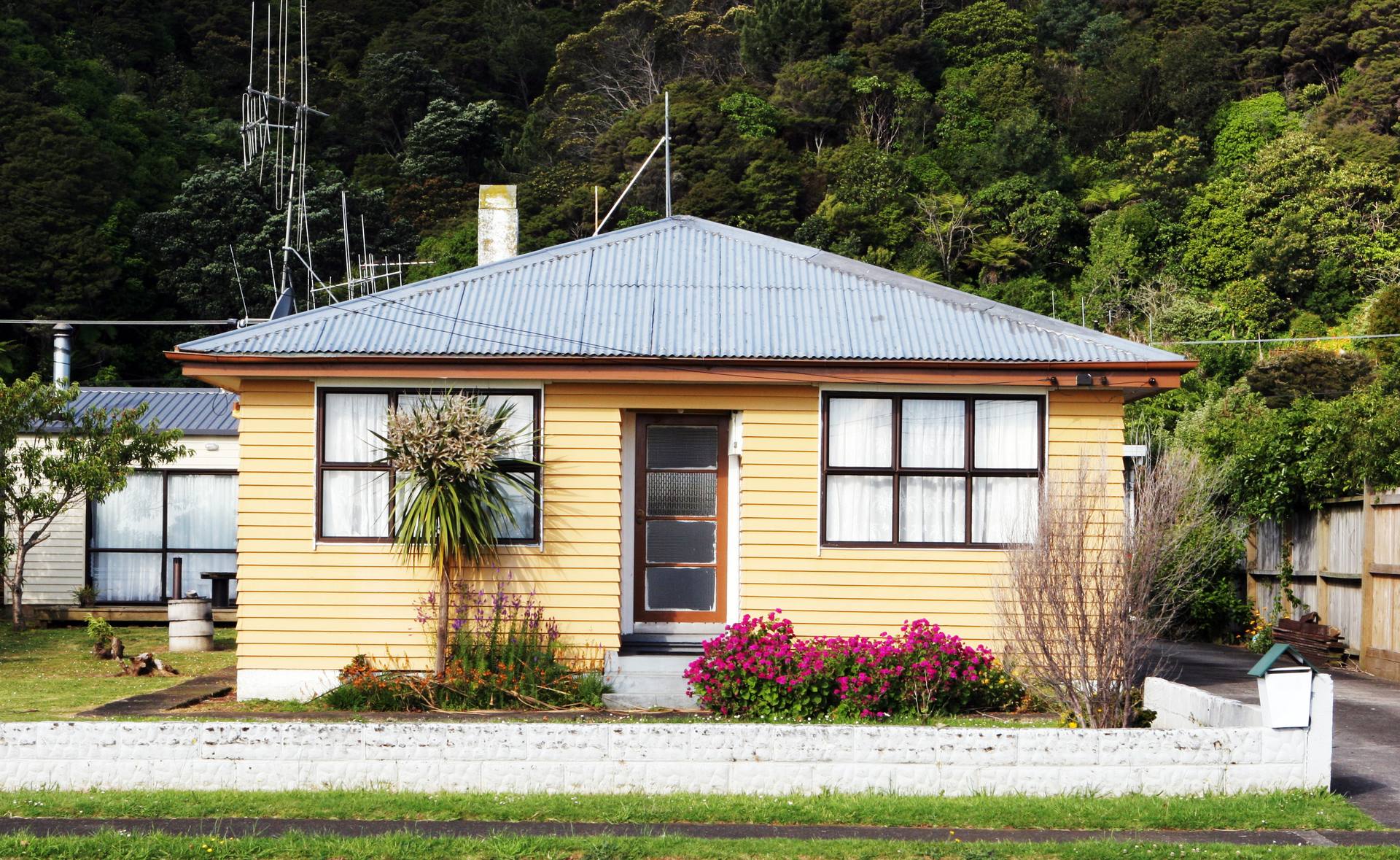
House rewiring
New cable, switches and sockets for older houses whose wiring has reached the end of its life.Read more
Heat pump installation
The circuit, isolating switch and outdoor unit position for a heat pump that has to live with salt air.Read more
Commercial electrical
Shops, cafes, offices and the shared areas of apartment buildings, worked around customers and residents.Read moreEnquiries
Contact us
Call 021 156 4005 - our electricians are available for call-outs 24 hours a day, 7 days a week - or leave a message below.
021 156 4005- Auckland
- Call-outs 24 hours a day, 7 days a week